Commercial Slab Installation in Lansing, MI
Commercial slab installation services involve preparing and pouring concrete foundations or flooring for various types of commercial properties, including retail spaces, warehouses, parking lots, and industrial facilities. These projects typically require a durable, level surface that can support heavy equipment, foot traffic, or vehicular loads. Property owners should understand the importance of proper site preparation, including soil assessment and reinforcement, to ensure the longevity and stability of the slab. Clarifying the scope of the project, such as size, thickness, and any specific load requirements, can help in planning and achieving the desired outcome.
Before requesting commercial slab installation, property owners often consider factors like drainage, access points, and future expansion needs. It’s also helpful to know about any local building codes or permits that might apply to the project. Proper planning and understanding of these elements can lead to a smoother installation process and a finished surface that meets the property's functional and structural needs. Contacting experienced professionals can provide guidance on the best materials and techniques suited for the specific commercial project.
Many property owners in Lansing, MI look into Commercial Slab Installation for repairs, replacements, upgrades, and appearance-related improvements.
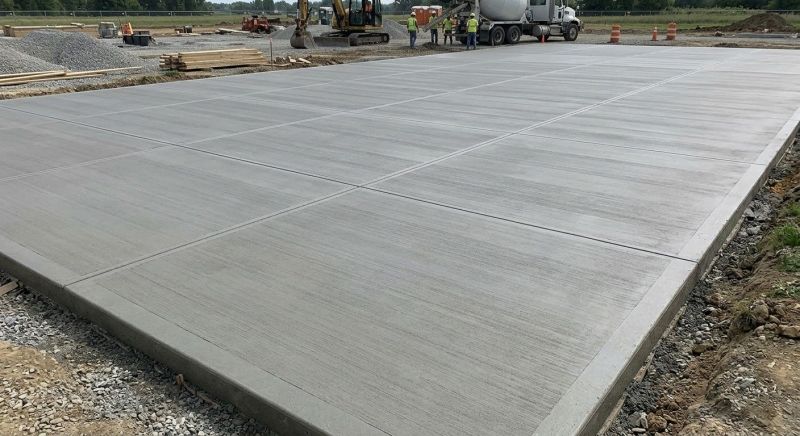
Commercial Slab Foundations
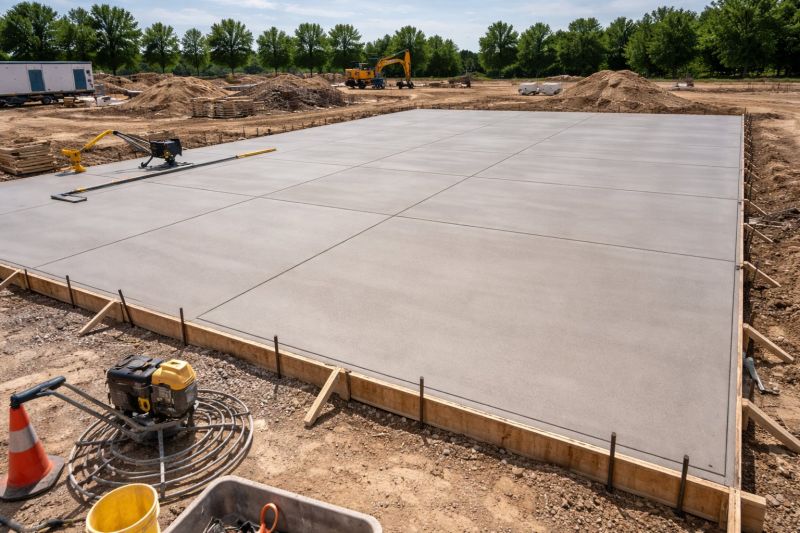
Properly installed slabs provide a stable base for various commercial structures in lansing, mi.
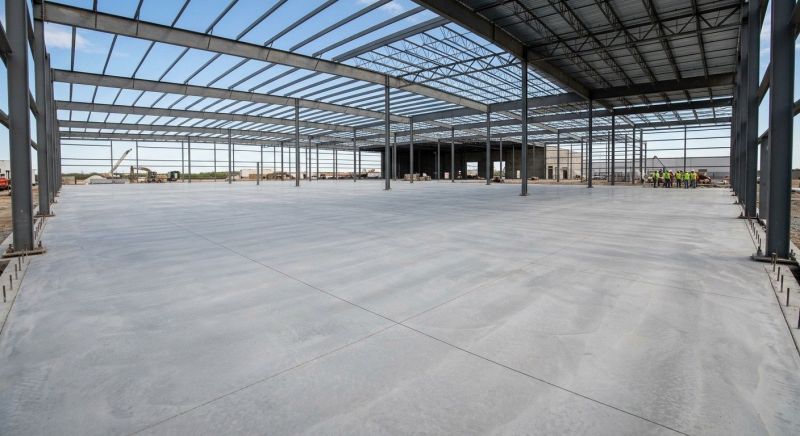
Industrial And Retail Projects
Customized slab solutions support the unique needs of industrial warehouses and retail stores.
Durable Construction Support
Strong, long-lasting slabs help ensure the safety and longevity of commercial buildings in the area.
Commercial Slab Installation in Lansing, MI

Commercial slab installation services involve preparing and pouring concrete foundations or flooring for various types of commercial properties, including retail spaces, warehouses, parking lots, and industrial facilities. These projects typically require a durable, level surface that can support heavy equipment, foot traffic, or vehicular loads. Property owners should understand the importance of proper site preparation, including soil assessment and reinforcement, to ensure the longevity and stability of the slab. Clarifying the scope of the project, such as size, thickness, and any specific load requirements, can help in planning and achieving the desired outcome.
Before requesting commercial slab installation, property owners often consider factors like drainage, access points, and future expansion needs. It’s also helpful to know about any local building codes or permits that might apply to the project. Proper planning and understanding of these elements can lead to a smoother installation process and a finished surface that meets the property's functional and structural needs. Contacting experienced professionals can provide guidance on the best materials and techniques suited for the specific commercial project.
Many property owners in Lansing, MI look into Commercial Slab Installation for repairs, replacements, upgrades, and appearance-related improvements.
Common Commercial Slab Installation Jobs
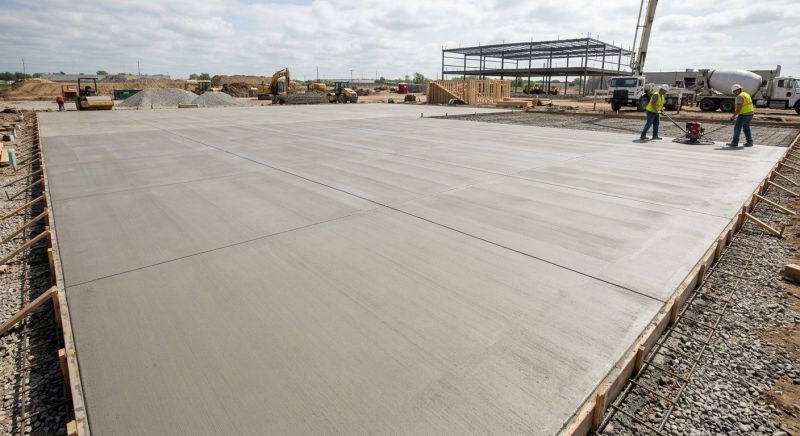
Commercial Slab Installation - Provides a durable foundation for retail stores, warehouses, and office buildings.
Concrete Slab Pouring - Ensures a solid base for parking lots, driveways, and loading areas.
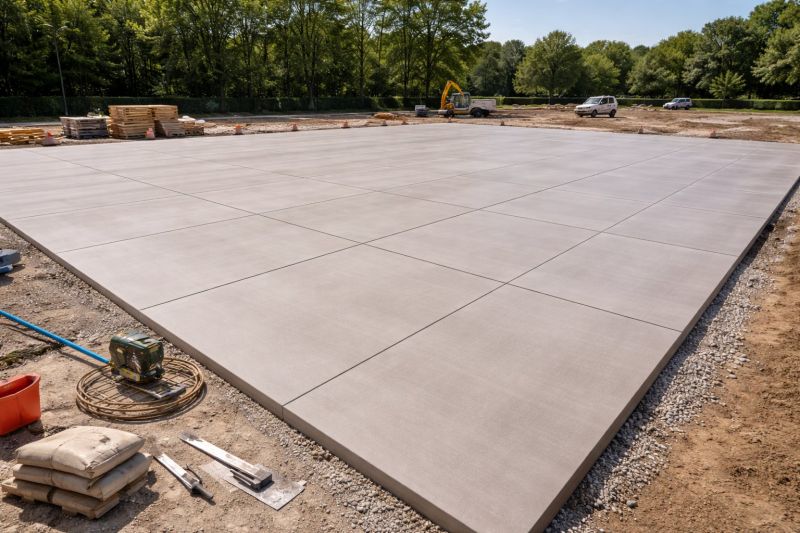
Flatwork Concrete - Creates level surfaces for walkways, patios, and outdoor seating areas.
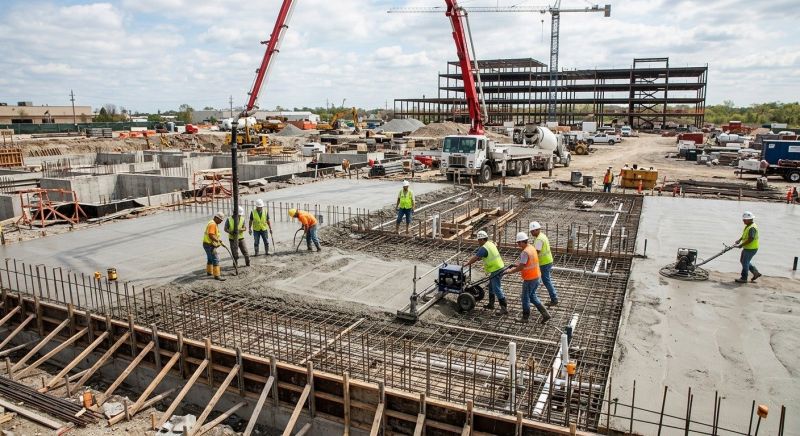
Reinforced Slab Construction - Adds strength to support heavy equipment or high-traffic areas.
Site Preparation for Slabs - Includes excavation and leveling to prepare for proper slab placement.
Concrete Slab Repair - Restores stability and safety for existing commercial surfaces.
Commercial Slab Installation Questions
What types of projects require commercial slab installation? Commercial slab installation is often used for building foundations, parking lots, loading docks, and outdoor workspaces on business properties.
How thick should a commercial concrete slab be? The thickness depends on the intended use, but common commercial slabs range from 4 to 6 inches thick to support heavy loads.
What factors affect the durability of a commercial concrete slab? Proper site preparation, quality of materials, and correct reinforcement help ensure the slab’s durability over time.
Is a permit needed for commercial slab installation? Permit requirements vary by location, so it’s advisable to check local building codes before beginning work.
Request Commercial Slab Installation in Lansing, MI
Use the quote form on this page to share the basics of your project and request more information for the type of work you need.